
Israel raises concerns over Hamas disarmament deal
Israel expresses serious security concerns over Hamas disarmament deal, citing intelligence on continued military buildup.
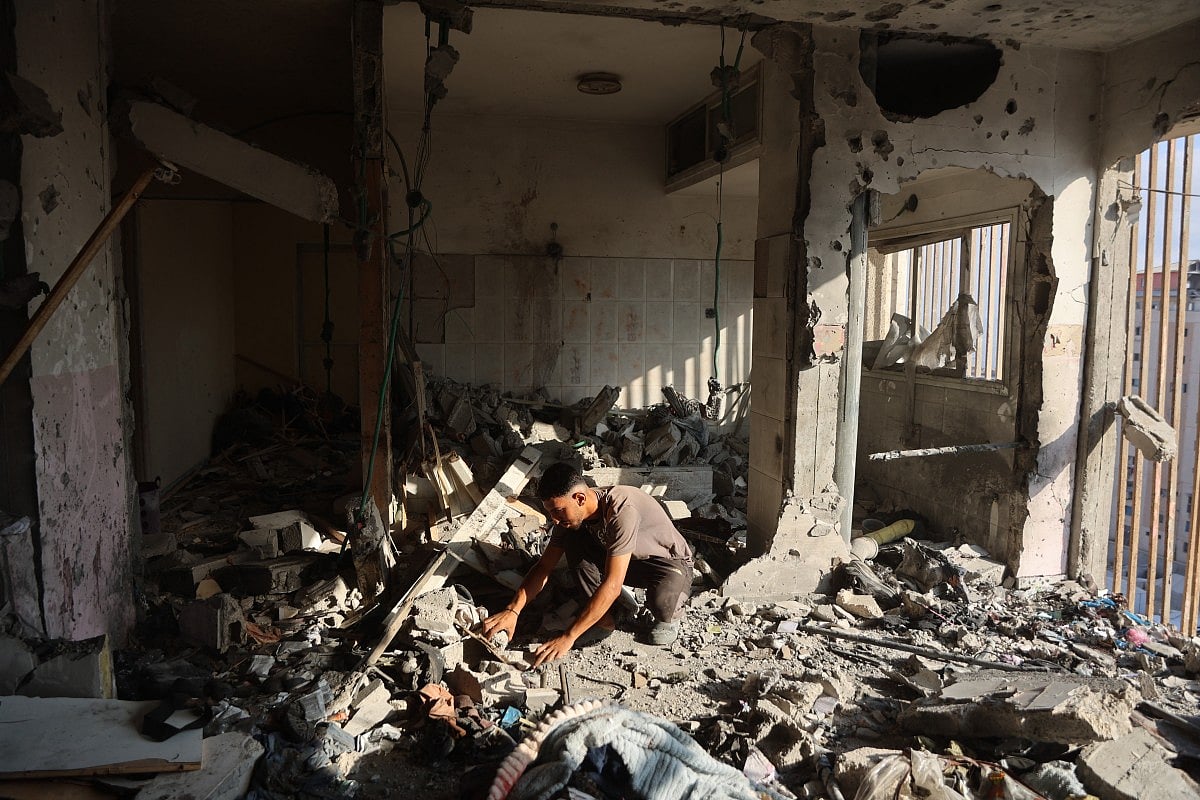
Israel has raised serious security concerns over the proposed Hamas disarmament deal, according to an Israeli official speaking to The Associated Press. The comments come as U.S. President Donald Trump announced the agreement earlier this week, aiming to end the nearly three-year-long conflict in Gaza. The Israeli government, however, remains skeptical, citing intelligence assessments that Hamas continues to rearm and rebuild its military capabilities, rather than genuinely demilitarizing. The concerns were shared with the White House, marking some of the first public comments from Tel Aviv on the deal since its announcement.
Disarmament process remains uncertain
The agreement, which includes a 15-point road map published by Trump’s Board of Peace, outlines steps for Hamas to surrender weapons and dismantle its military infrastructure. However, the process is fraught with uncertainty and obstacles. Hamas has agreed to begin disarming as part of the US-brokered ceasefire signed nine months ago, but the implementation remains unclear. A copy of the agreement, verified by the AP, states that all weapons held by Hamas-run police will be transferred to a U.S.-backed Palestinian technocratic committee. The timeline for this transfer is not specified, as it depends on other steps in the process.
Israel’s intelligence suggests Hamas is not genuinely disarming. According to Doron Spielman, spokesperson for the Israeli Prime Minister’s office, Israel’s assessment is that Hamas remains committed to rebuilding its military rather than demilitarizing. This has led to continued Israeli military operations in Gaza, despite the ceasefire signed in October. The Israeli military has stated that its strikes are targeting Hamas military operatives, though it has not elaborated on the specifics.
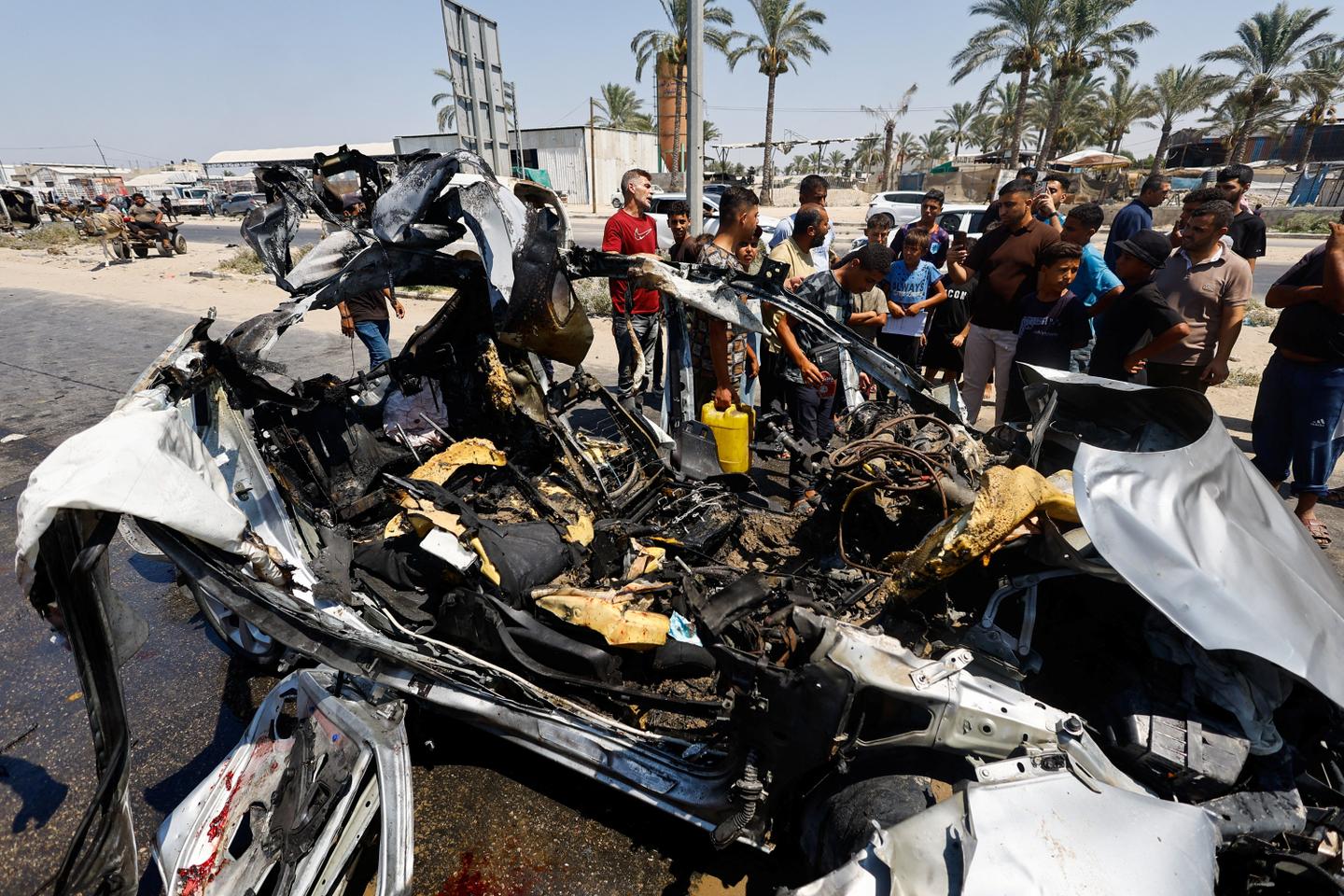
Israel continues military operations in Gaza
Over the past two days, Israeli strikes killed at least 10 people, including children, according to health officials. A residential apartment in southern Gaza was hit, killing three family members, including a 4-year-old child. The Israeli military stated that the strikes targeted Hamas military operatives, though it did not elaborate on the specifics. The ongoing attacks have raised concerns about the effectiveness of the ceasefire and the potential for renewed violence.
Israel has not withdrawn from Gaza despite the ceasefire. The Israeli military has stated that it will not withdraw from Gaza before Hamas disarms. This stance has been reinforced by Prime Minister Benjamin Netanyahu, who faces a tough reelection battle. His far-right coalition partners are urging him to maintain pressure on Hamas and leave forces in Gaza. The situation remains volatile, with both sides continuing to accuse each other of violating the ceasefire. As the situation in Gaza remains volatile, the success of the disarmament deal will depend on the willingness of both sides to adhere to the agreed terms. With the Israeli government preparing for its October elections, the pressure to maintain a strong stance against Hamas continues, even as the international community watches closely for signs of progress or further escalation.
—