
International hotel chains expand into China’s value-driven market
International hotel chains target China’s budget-conscious travelers with affordable options.
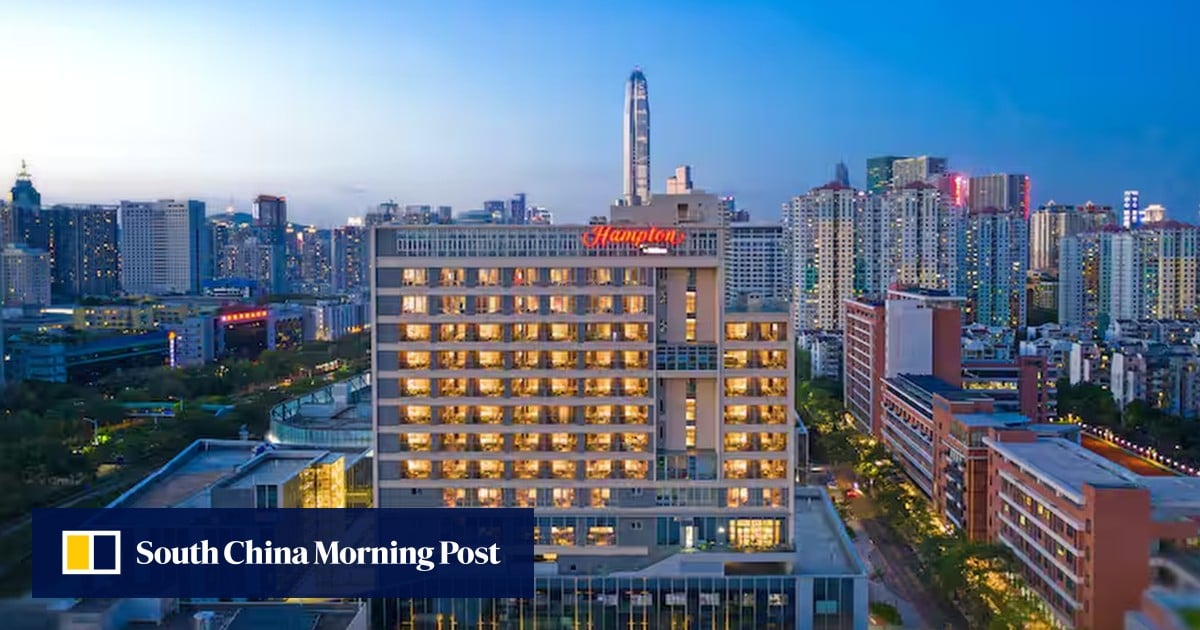
International hotel chains are increasingly targeting China’s budget-conscious travelers by expanding into the midscale and upper-midscale segments, a move that reflects shifting consumer preferences and the need to capture price-sensitive customers. This strategy, driven by the growing demand for affordable yet reliable quality, has seen brands like Hilton, Marriott, and Hyatt introduce new offerings in China. The trend is part of a broader shift in the hospitality sector, where travelers are seeking better value for money without compromising on brand recognition. In June, Ryan Liu, a 24-year-old fresh graduate from Shandong, surprised himself by booking a Hampton by Hilton in Shenzhen for about 600 yuan (US$89) per night. The room, with a small balcony overlooking Shenzhen Bay and Hong Kong across the water, offered a balance of affordability and quality that he had not expected from an international brand. “I didn’t know Hilton could be this affordable,” Liu said, highlighting a growing awareness among younger consumers that global hotel chains are now more accessible.
Strategia di espansione in segmenti più accessibili
According to Zhou Mingqi, founder of Jingjian Consulting, international hotel groups are betting on the more affordable end of the market without diluting their brand positioning. This approach allows them to capture a larger share of the market while maintaining their premium image. The move is a response to changing consumer preferences, with Chinese travelers increasingly seeking “value for money, reliable quality and local experiences.” In July, Hilton announced the mainland China debut of Tempo by Hilton, an “approachable lifestyle brand” launched in 2020, with plans to expand to cities like Xiamen, Beijing, Chengdu, and Jiaxing. Marriott, too, introduced its Series by Marriott brand in late June, focusing on converting existing hotels and integrating them into its loyalty systems. The company emphasized that this strategy aligns with the evolving tastes of Chinese consumers, who are looking for more affordable options without sacrificing quality.
Concorrenza da parte dei player locali
Despite the efforts of international hotel chains, domestic players such as Atour and H World have developed strong local networks, membership bases, and efficient operating models, making them highly competitive in the midscale segment. Zhou noted that while international brands have traditionally benefited from their brand premium, this advantage is becoming less pronounced as they move into more affordable segments. Hyatt, for example, signed a partnership agreement with Chinese hotel group Dossen in May to develop its Select brand in China, targeting the mid-to-upscale segment. IHG also announced the opening of its first Garner hotel in Beijing in March, with room rates ranging from 500 to 700 yuan per night. These developments highlight a growing competition in the market, where both international and local players are vying for the attention of price-conscious travelers.
Domestic consumer spending in China remains under pressure amid a prolonged property downturn and a sluggish job market, even as domestic tourism has recovered. In the first quarter of this year, China recorded 1.90 billion domestic tourist trips, generating total tourism spending of 1.86 trillion yuan (US$275.63 billion). Average spending per trip was slightly down at about 980 yuan, compared to 1,000 yuan a year earlier, when domestic trips totaled 1.79 billion and spending reached 1.80 trillion yuan. Despite this, the demand for value-driven travel continues to grow, with travelers prioritizing affordability without compromising on quality or brand reputation. As international hotel chains continue to expand into the midscale and upper-midscale segments, the competition for this segment is expected to intensify, with both global and local players adapting to meet the evolving needs of Chinese consumers.