
Seoul nightlife adapts as young people shift focus from drinking to music and culture
Seoul nightlife evolves as young people prioritize music and culture over drinking, reshaping clubbing culture.
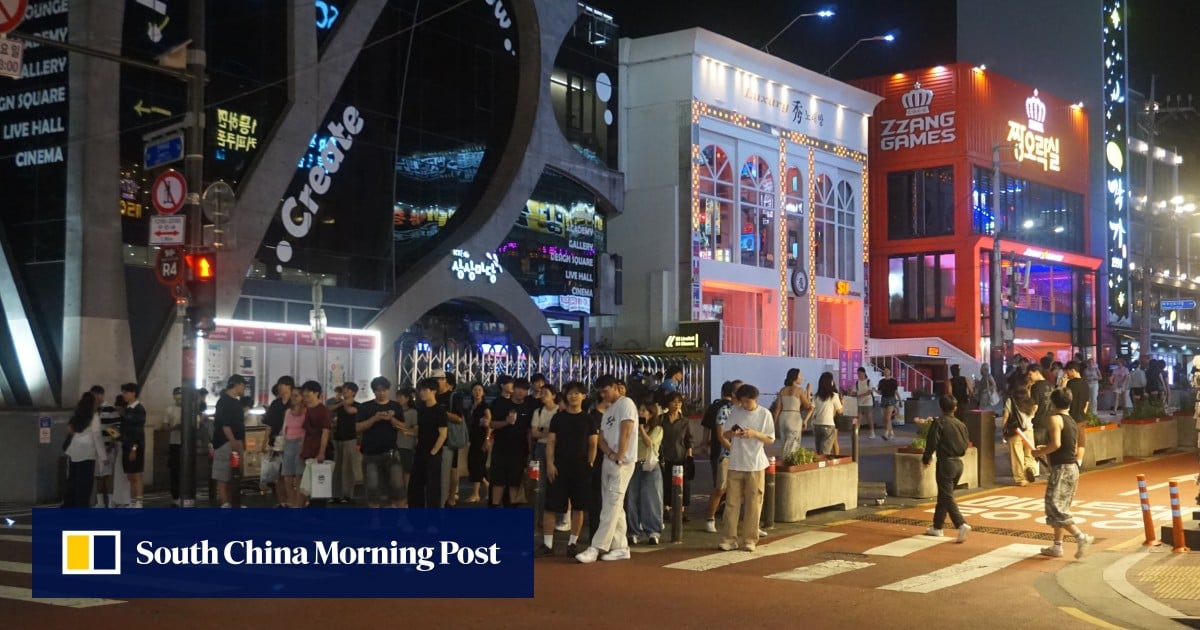
Seoul’s nightlife is undergoing a quiet but significant transformation as younger generations shift their focus from drinking to music, culture and personal expression. With alcohol consumption declining, clubs and bars are adapting to reflect changing social habits, redefining what it means to enjoy a night out. In Hongdae, once a hub for loud, alcohol-driven gatherings, the atmosphere has become more subdued, with fewer people drinking and more emphasizing the quality of music and the experience of the venue. This shift is evident in the way venues are evolving, from hosting internationally renowned DJs to offering pop-up events with brands like Samsung and Nike, all in an effort to stay relevant in a rapidly changing social landscape.
Changing social norms and nightlife culture
The decline in alcohol consumption among young South Koreans is reshaping the nightlife scene. According to data from the Korea Disease Control and Prevention Agency, 56 per cent of people in their twenties either abstain from alcohol or drink less than once a month, a sharp increase from 37.9 per cent in 2005. This change is reflected in the number of pubs and bars, which fell by nearly 10 per cent to 28,178 in March, a decrease of 2,998 from the previous year. As a result, venues are no longer relying solely on the promise of a night of drinking to attract crowds. Instead, they are focusing on curated experiences, from music to art, to cater to a more discerning audience.
Adapting to new customer expectations
Clubs like Soap Seoul and Bolero are leading the charge in reimagining what nightlife can be. At Soap Seoul, creative director Yann Cavaille noted that the decline in alcohol purchases has made it harder to afford high-profile DJs and artists. “It just means that we have to be marketing our events that much more,” he said. To attract a new audience, the club has embraced digital innovation, such as 3D graphics in Instagram ads, and even banned smoking to appeal to health-conscious patrons. Meanwhile, Bolero, once a restaurant, has transformed into a club that hosts globally renowned DJs and organises events around specific musical genres. Owner Son Ki-jeong explained that today’s patrons are more interested in the music and the experience than in drinking. People today pay attention to the kind of music being played and choose venues with DJs who really understand that genre.
Younger generations are increasingly viewing nightlife as a space for self-expression and exploration rather than a way to escape from daily life. The younger generation is investing their time and money into nightlife as a way to explore and express their own tastes. This shift is also evident in the way people interact. As noted by 21-year-old university student Baek Ga-hee, staying out late on a weekday is now unusual for her. “Everyone seems a bit more focused on spending time by themselves,” she said. This change in social behavior is not just a trend but a reflection of broader cultural shifts, with younger South Koreans prioritizing personal interests over traditional social rituals.
As the nightlife scene in Seoul continues to evolve, it is clear that the role of alcohol is no longer central to the experience. Instead, venues are embracing creativity, diversity and personalization to meet the expectations of a new generation of patrons. This transformation is not just about survival in a competitive market—it’s about redefining what it means to enjoy a night out in a city that is constantly reinventing itself.