
Hungary shuts down nuclear plant over drought, Greece faces wildfire crisis
Hungary closes nuclear plant amid drought, Greece battles wildfires as climate crisis intensifies
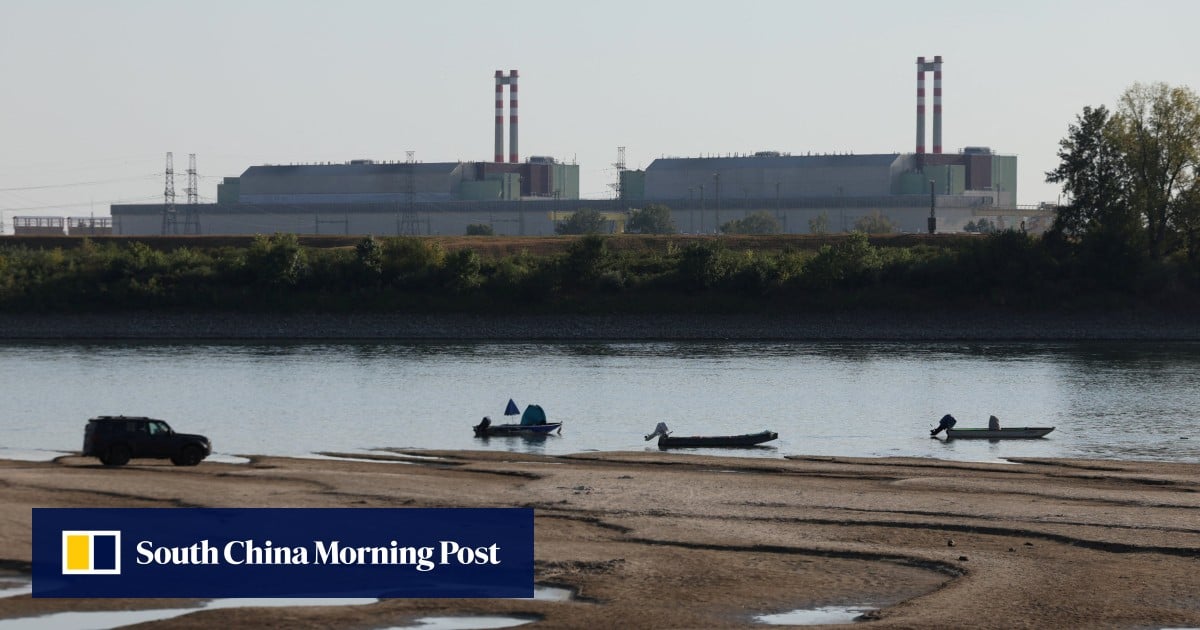
Climate crisis forces Hungary to shut nuclear plant
Hungary has fully shut down its sole nuclear power plant for the first time in its 44-year history, citing record low levels of the Danube River. The decision, made by new Prime Minister Péter Magyar, is a direct response to the severe drought affecting central Europe. The Paks plant, which accounts for 40% of the country’s electricity generation, has been operating at just over a tenth of its 2,000 megawatt capacity. One of the two reactors was shut down early on Sunday, with the final one powering down later in the day. The low water levels have caused a shortage of cooling water, forcing the shutdown. This marks a significant shift in Hungary’s energy strategy, as the government now faces the challenge of managing energy supply with the plant offline.
Energy shortages are becoming a critical test for Hungary’s new government.
Greece battles multiple wildfires amid extreme weather
Greece is experiencing a severe wildfire crisis, with multiple blazes raging across the country. The National Observatory’s climate tracker, meteo.gr, reported that over 6,500 hectares had been burned in separate fires on the Gulf of Corinth, which also swept through Porto Germeno. Some 100 firefighters were battling another blaze in Aigialia in the northern Peloponnese, while a new fire broke out late on Saturday on the Ionian Sea island of Cephalonia. The fires have devastated forest and agricultural land, with local authorities reporting that scores of homes were damaged or destroyed. The prime minister, Kyriakos Mitsotakis, warned of “extremely difficult” days ahead, citing extreme weather conditions and winds that often reach 100 km/h.
Firefighters are struggling to contain blazes as extreme weather conditions worsen. Hungary’s government is boosting power imports to cover part of the shortfall and has asked large industrial companies to voluntarily cut their consumption. Mandatory reductions may also be ordered. In addition, the government has ordered a halt to the watering of grass and stadium pitches to conserve water. Budapest has also ordered trams and undergrounds to go slower to conserve electricity. These measures are part of a new crisis plan that prioritises electricity cuts at firms and limits household usage only as a last resort.
Firefighters in Greece have been working under extreme conditions, with dozens of fires reported daily. The Civil Protection Minister, Evangelos Tournas, stated that the fire department has been “pushed to its limits.” Nearly 500 firefighters were battling blazes around the coastal village of Porto Germeno, 70 km from Athens. The fire department reported that the blaze had scaled a mountain overnight, threatening the western outskirts of the city. Gale-force winds created “extremely difficult conditions,” making it nearly impossible for aircraft to draw water or carry out drops due to extreme turbulence. Three firefighters have died this week in the line of duty, with two in Crete and one in the Peloponnese peninsula.
The Mediterranean region, including Greece and Hungary, is being hit hard by the climate crisis. Greece, like much of the region, is plagued by wildfires every summer due to high temperatures, frequent heatwaves, and drought. The current situation is described as one of the most severe in recent years, with the fires around Porto Germeno being classified as a “megafire” by wildfire meteorologist Theodore Giannaros. The fires have affected an area of over 10,000 hectares, almost double the original estimate. The government has taken emergency measures, including stopping rail freight at peak hours, turning off decorative lighting on state buildings, and slowing trams and undergrounds to conserve electricity. Climate change is driving an unprecedented energy and fire crisis across the region.